Stay Warm. Protect Your Gear. Capture the Beauty.
Winter offers photographers something truly special.

The world changes. Familiar landscapes take on an entirely different personality. Snow transforms ordinary scenes into something extraordinary. The light becomes softer, the colours more subtle, and even the busiest streets seem to slow down.
For those willing to embrace it, winter can be one of the most rewarding seasons for photography.
But there’s a catch.
It’s hard to be creative when you’re freezing!
I’ve learned that the difference between enjoying a winter photography adventure and simply enduring one often comes down to preparation.
Whether you’re photographing snow-covered landscapes in the Rockies, capturing street stories on a cold winter morning, or chasing the Northern Lights, having the right clothing, equipment and a little practical knowledge can make all the difference.
So, before heading out into the cold, here’s a checklist to help you prepare.
1. Dress for the Photographer, Not Just the Weather
One of the biggest mistakes we make as photographers is dressing as though we’re going for a winter walk.
The reality is that photography often involves standing still for extended periods. And when we stop moving, we get cold. Quickly!
The secret is layering.
Your Winter Clothing Checklist
- Base Layer: Start with thermal underwear made from merino wool or moisture-wicking synthetic material. Avoid cotton, which holds moisture against your skin.
- Mid Layer: A fleece or insulated jacket helps trap warmth. Choose something you can remove if you’re getting too warm.
- Outer Layer: A windproof and water-resistant winter jacket with a hood is essential. Wind can make an already cold day feel dramatically colder.
- Insulated Winter Pants: Snow pants or insulated hiking pants are especially helpful when kneeling or standing in snow.
- Warm Winter Boots: Look for waterproof, insulated boots with good traction and enough room for warm socks. Tight boots can actually make your feet colder.
- Merino Wool Socks: Keep your feet warm and dry. Pack an extra pair in case your boots get wet.
- Warm Hat and Neck Gaiter: Much of your comfort comes from protecting exposed skin, especially when the wind picks up.
- Hand Warmers: Small, inexpensive and worth their weight in gold!
Don’t Overlook Your Hands!
Your hands are one of your most important tools as a photographer.
Unfortunately, they’re also among the first things to get cold.
Heavy mittens keep your hands warm but make operating your camera difficult. Thin gloves offer control but often leave your fingers freezing.
My recommendation: Use a two-glove system.
Start with a thin pair of touchscreen-compatible liner gloves and wear insulated photography mittens over them. Look for mittens with fold-back finger or thumb openings so you can adjust your camera without exposing your hands longer than necessary.
Remember, you don’t need your fingers exposed all the time. Just for those few seconds when you’re making adjustments.
2. Prepare Your Camera for the Cold
Here’s some good news.
Most modern cameras handle cold temperatures better than we do!
But cold weather does create some challenges, particularly when it comes to batteries, condensation and handling your equipment.
Your Camera Equipment Checklist
- Extra Batteries: Cold temperatures can significantly reduce battery performance. Carry at least two fully charged spare batteries.
- Keep Batteries Warm: Store spare batteries in an inside jacket pocket, close to your body rather than in an outside camera bag.
- Lens Hood: Beyond controlling flare, a lens hood helps protect the front element from falling snow.
- Microfibre Cloths: Carry several clean, dry cloths for removing moisture from equipment.
- Camera Rain/Snow Cover: A simple protective cover can help keep snow and moisture away from your camera.
- Sturdy Tripod: Essential for low-light photography, winter landscapes and evening street scenes.
- Memory Cards: Carry extras in a protective case. Changing cards with freezing fingers is not much fun!
- Sealable Plastic Bag: A simple but useful tool for helping manage condensation when moving your camera from cold outdoor air into a warm building.
A Few Important Winter Camera Tips
Batteries don’t like the cold.
You may notice your battery indicator dropping much faster than normal. Sometimes a battery that appears nearly dead will recover some usable capacity once it warms up.
Always carry spares and rotate them as necessary.
Watch out for condensation!
One of the greatest risks to your equipment isn’t necessarily the cold itself. It’s bringing a very cold camera directly into a warm, humid environment.
Moisture can form on the camera and potentially inside sensitive areas.
Before going indoors, place your camera in a sealed plastic bag or closed camera bag while you’re still outside. Allow it to warm gradually before opening the bag.
And resist the temptation to immediately remove your lens!
Avoid breathing directly onto your viewfinder or lens.
Your warm breath can quickly create frost on cold surfaces. A neck gaiter can help direct your breath away from the camera.
3. Make Your Winter Photography More Comfortable
Over the years I’ve discovered that it’s often the little things that make the biggest difference.
Here are a few items that aren’t necessarily photography equipment but can dramatically improve your experience.
My Winter Comfort Checklist
- Thermos with a Hot Drink: Coffee, tea or hot chocolate can be a welcome treat during a long winter shoot.
- Chemical Hand Warmers: Carry several pairs. They’re inexpensive and can make a huge difference.
- Small Insulated Sitting Pad: Especially helpful for low-angle photography or when sitting on a cold bench.
- Ice Cleats or Traction Devices: Snow and ice can make photography locations slippery, particularly when you’re concentrating on your composition rather than your footing.
- Small Backpack: Carry your extra layers, batteries, snacks and accessories without overloading yourself.
- Headlamp: Essential when photographing sunrise, sunset or night scenes.
- Water and Snacks: It’s easy to forget to hydrate when it’s cold, but your body still needs water and energy.
- Power Bank: Useful for keeping your phone charged during a long day outdoors.
And one more thing.
Plan opportunities to warm up!
There’s no prize for being the coldest photographer on the street.
A 15-minute coffee break can recharge both your body and your creativity.
4. A Few Winter Photography Techniques Worth Remembering
While this guide is primarily about preparing yourself and your equipment, there are a few photography techniques worth keeping in mind.
Snow Can Fool Your Camera
Your camera’s light meter generally tries to produce an average midtone exposure.
When photographing large areas of bright white snow, this can result in images that look dull and grey.
Try adding positive exposure compensation, often somewhere between +2/3 and +1⅔ stops, depending on the light.
Check your histogram and highlight warnings to avoid losing important detail.
Look for Colour Against the White
One of the things I love about winter photography is how colour suddenly becomes more powerful.
A red jacket. A yellow doorway. Warm light spilling out of a café window.
Against a snowy background, these ordinary elements can become extraordinary subjects.
Don’t Put Your Camera Away When the Sun Goes Down
Winter evenings offer incredible opportunities.
Streetlights reflect off snow-covered sidewalks. Storefronts glow against the blue evening sky. People bundled up against the cold create wonderful storytelling moments.
And because the sun sets earlier in winter, you don’t have to stay out until midnight to enjoy night photography!
Tell the Story of Winter
It’s easy to become so focused on photographing beautiful snowy landscapes that we overlook the human stories unfolding around us.
A child playing in the snow.
A couple sharing a warm drink.
A street vendor working through the cold.
A photographer bundled up from head to toe trying to capture that perfect moment.
These are the images that often tell the most memorable stories.
Remember, great photography isn’t simply about recording what something looks like. It’s about capturing what it feels like.
5. Your Final Before-You-Leave Checklist
Before heading out on your next winter photography adventure, take a moment to run through this final checklist.
- Check the weather forecast, wind chill and sunset time.
- Charge your camera batteries and pack warm spares.
- Format your memory cards after backing up your images.
- Clean your lenses and pack a few microfibre cloths.
- Dress in layers and bring an extra warm layer.
- Pack your photography gloves, hat and neck gaiter.
- Bring hand warmers, a hot drink and some snacks.
- Check that your boots have appropriate traction.
- Pack a camera cover and condensation-protection bag.
- Tell someone where you’re going if photographing in remote areas.
- Plan a warm-up stop and know when it’s time to head indoors.
Most importantly, give yourself enough time to enjoy the experience.
6. Ready to Put Your Winter Photography Skills to the Test?
Join Us in Québec City | February 10–15, 2027
If winter photography sounds exciting, we’ve got an adventure planned that embraces everything wonderful about the season!
Our Learn Photography Canada Québec City Carnaval & Street Stories Escape takes us into the heart of Old Québec during one of Canada’s most celebrated winter festivals.
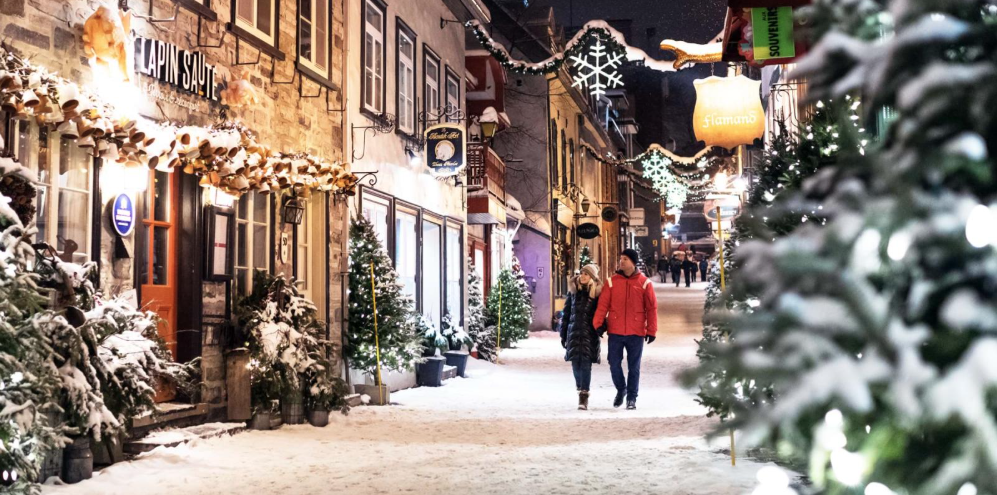
Imagine wandering through historic cobblestone streets surrounded by centuries-old architecture, colourful storefronts and snow-covered rooftops.
We’ll be fully embracing winter!
Our adventure includes a dog sledding experience to kick off one of our days, photographing the spectacular Hôtel de Glace (Ice Hotel), exploring the incredible ice sculptures that are such a big part of Carnaval, and capturing the wonderful street stories that unfold throughout Old Québec.
And of course, we’ll make time to warm up, enjoy some local hospitality and share our images and experiences together.
It’s the perfect opportunity to put your winter photography preparation into practice while creating images and memories you’ll treasure for years to come.
February 10–15, 2027 | Québec City, Canada
Discover Our Québec City Carnaval & Street Stories Photography Escape
Final Thoughts
Winter photography isn’t about proving how much cold you can tolerate.
It’s about being prepared enough that the cold doesn’t get in the way of your creativity.
When you’re warm, comfortable and confident in your equipment, you’re free to concentrate on what really matters.
Seeing the light. Discovering the story. Capturing the moment.
And sometimes, the images that require us to step a little outside our comfort zone become the ones we’re most proud of.
So don’t let winter keep your camera in the closet.
Bundle up. Charge those batteries. Get outside.
There’s a whole world of winter stories waiting to be told.
David Benjatschek
CEO, Learn Photography Canada